October 1, 2026 · A Family Cooking · South Florida
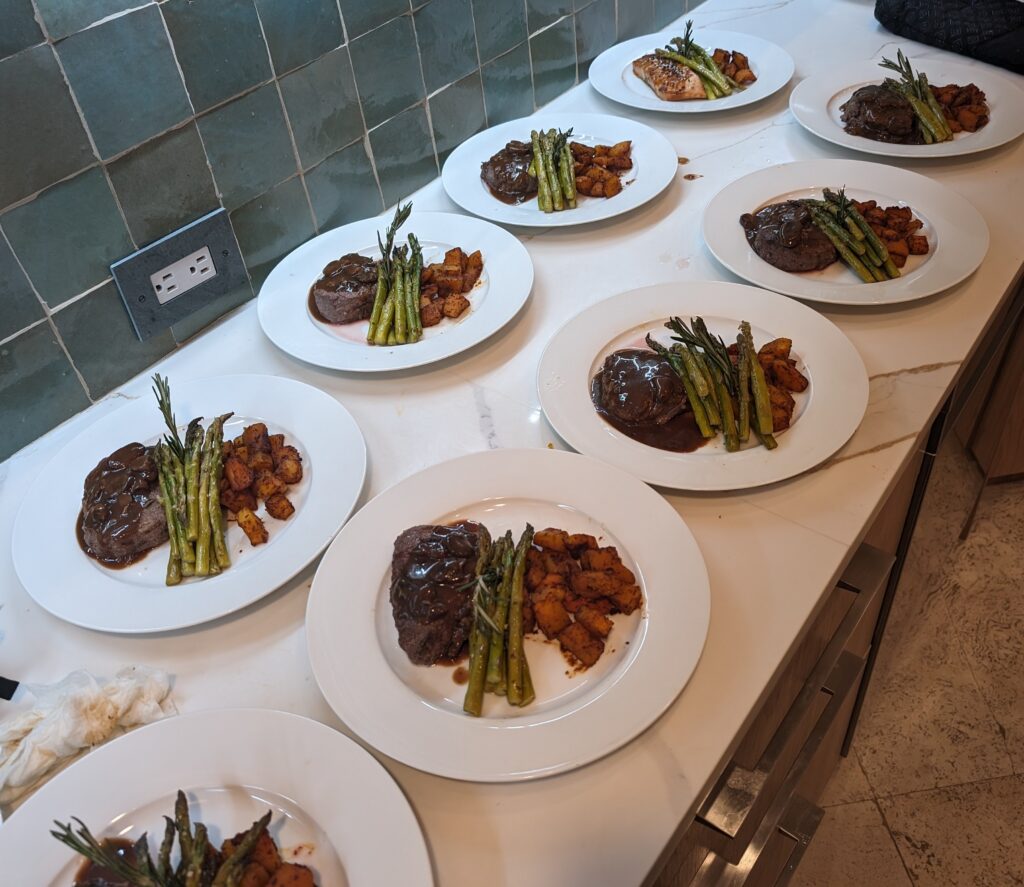
October is a useful time to begin thinking about the gatherings that fill the end of the year. A family dinner, a company celebration, a visit from friends, or a meal on board a yacht each deserves a plan that reflects the people involved. Starting with a clear brief makes the menu conversation more productive.
Chef Phil’s menu and photographs offer ideas across several styles: filet mignon and seafood dinners, shrimp appetizers, colorful salads, breakfast favorites, and chocolate desserts. You do not need to choose every detail at once. Begin with the occasion, the date, and the guest list, then build a holiday dining experience around what matters most to your group.
Choose a preferred date and, if possible, an alternative. Estimate the guest count and identify the location where the meal will take place. Explain whether the event is an intimate celebration, a larger gathering, or part of a longer visit.
Contact the chef to ask about availability rather than assuming a particular date can be reserved. Discuss the booking process, proposal, payment arrangements, and any deadlines for final decisions. If a venue or vessel is involved, confirm its availability separately. Settling these essentials gives the menu a realistic framework and prevents a favorite dish or elaborate theme from becoming the starting point for an event that has not yet been scheduled.
A plated dinner offers a different experience from an appetizer-focused gathering or a daytime brunch. Think about how guests will interact, how long the event will last, and whether everyone will arrive together. The format should support the gathering rather than make it harder to coordinate.
For a company dinner, a defined schedule may be important. For family visiting from out of town, a relaxed lunch or brunch may be a better fit. Explain those priorities to Chef Phil. Ask what service arrangements are appropriate for the location and guest count before choosing the final dishes, and confirm what the proposed format actually includes.
Holiday entertaining does not require a traditional menu if another direction suits the group better. Chef Phil’s published dishes include filet mignon, king crab legs, lobster tail, salmon, and stuffed pork loin, offering several possible centerpieces for a celebratory meal.
Choose according to guest preferences and current availability. A seafood-focused dinner may suit one gathering, while steak and vegetable accompaniments may be right for another. Ask how alternatives can be coordinated for guests who prefer a different protein. Avoid promising a fixed selection before it has been confirmed. The strongest menu feels coherent and welcoming, with each course supporting the occasion rather than competing for attention.
The arrival period is easier to plan when it has a clear purpose. If guests will mingle before dinner, a small selection of opening bites can bridge that time. If appetizers are the main food offering, the plan needs a different level of variety and substance.
Chef Phil’s shrimp with avocado over cucumber, tomato and mozzarella skewers, cucumber cups, and vegetable crudités provide useful starting points. Discuss portions and presentation in relation to the full event. A few distinct choices can be more effective than a long list of similar bites. Share the main course concept so the opening selection feels connected to everything that follows.
A holiday gathering can happen in the morning or early afternoon as easily as in the evening. Chef Phil’s breakfast menu includes challah French toast, quiche, omelets, frittata, fresh fruit, and familiar breakfast sides. These choices can inspire a welcoming event with a different pace.
Think about whether guests are traveling, attending another engagement, or gathering for the day’s main celebration. That context helps determine how substantial the meal should be. Discuss a balance of sweet and savory dishes rather than filling the menu with variations of the same idea. A brunch can feel just as personal as dinner when its format and food suit the group.
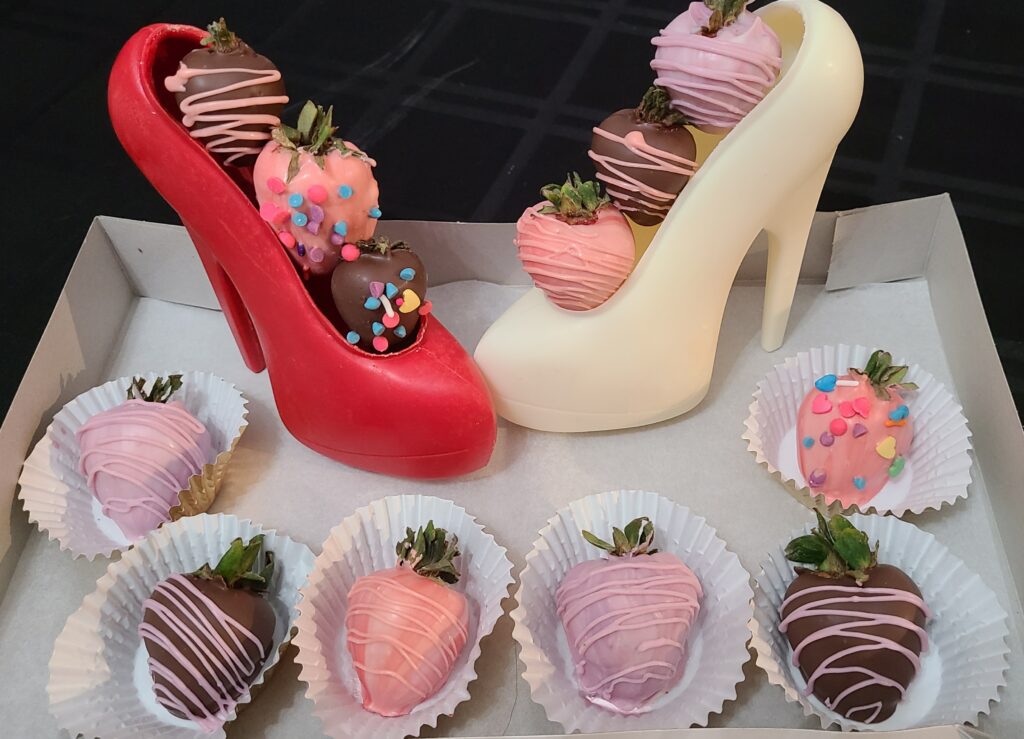
Dessert is easier to coordinate when it is considered alongside the rest of the menu. Chef Phil’s chocolate heel and decorated strawberry photographs show a distinctive visual direction, while his earlier catalog offers broader inspiration in cakes and baked goods.
Ask which current options fit the event and whether any customization is available. Share the occasion, preferred flavors, and the desired serving format. A dessert display needs different planning from a plated final course, including space and service pieces. Confirm those details and any related costs before booking. The sweet finish should belong to the meal and the celebration, not become an unresolved task during the final days.
Ask guests about allergies and dietary needs before the menu is finalized. Separate those requirements from general preferences and share the information clearly with Chef Phil. Discuss possible adjustments and preparation limitations without assuming that a different dish guarantees an allergen-free environment.
Then review practical responsibilities: kitchen access, arrival procedures, staffing, tableware, serving equipment, beverages, setup, and cleanup. Confirm which items are included in the proposal and which belong to the host or another vendor. Keep one person responsible for communicating final changes. A written plan reduces confusion and makes it easier to manage the event when the calendar becomes busy and several people are coordinating details.
A thoughtful holiday meal begins with people, then brings the food and setting into focus. Whether you imagine a private dinner, a yacht gathering, a lively appetizer reception, or a family brunch, Chef Phil’s dishes offer a useful foundation for discussion.
Explore the menu and food gallery, choose a few ideas that reflect your guests, and contact A Family Cooking with your preferred date, South Florida location, and estimated attendance. Ask about availability, menu choices, service scope, and pricing before confirming. Starting the conversation early gives you time to make considered decisions and creates a clearer path toward a celebration where you can enjoy the company as much as the meal itself.