
July 1, 2026 · A Family Cooking · South Florida
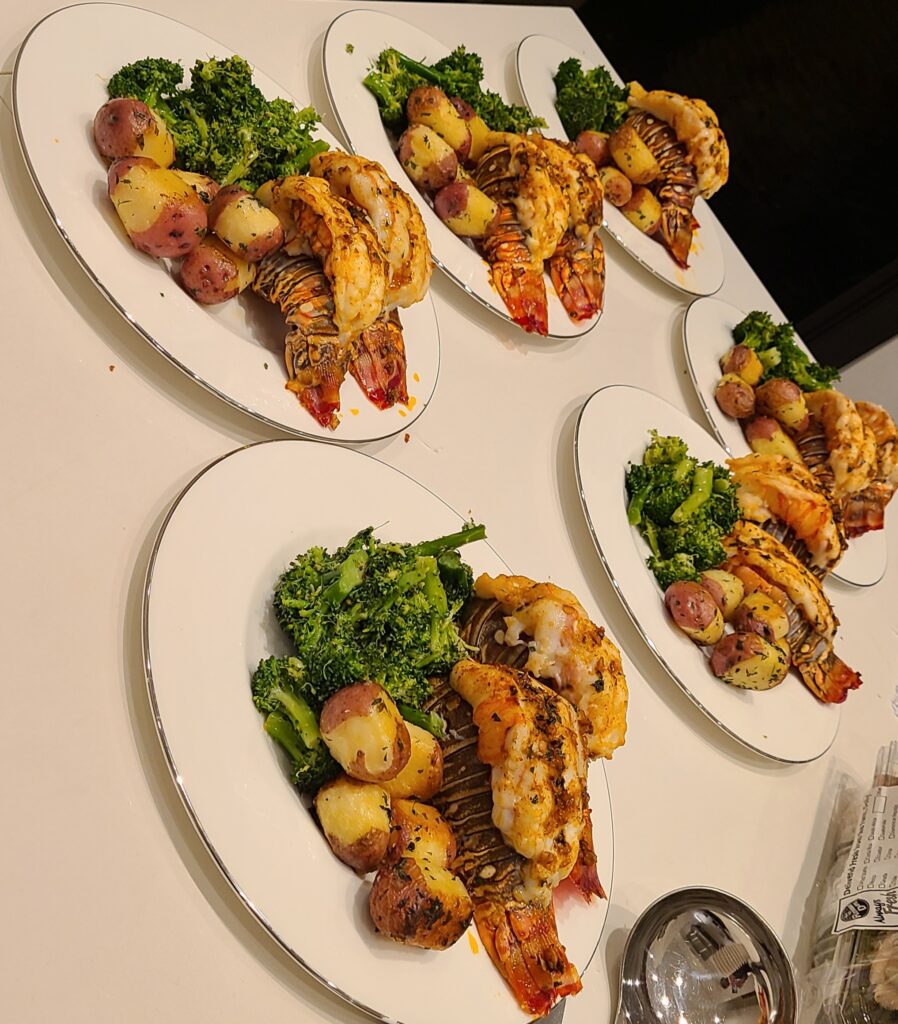
Lunch can be the most versatile meal for entertaining. It can anchor a family visit, give a business gathering a comfortable setting, or become a relaxed celebration in its own right. A private chef lunch does not need to imitate dinner. It can have a brighter, more flexible identity built around satisfying dishes and an easy rhythm.
Chef Phil’s lunch menu ranges from grilled chicken skewers and fresh salads to zucchini noodles, pesto fettuccine, baked ziti, and other substantial choices. That variety makes it possible to discuss a menu that suits both the occasion and the appetite of the group. Begin with a clear idea of how you want the afternoon to unfold.
A lunch served before an afternoon activity may need a different balance from a celebration that is the day’s main event. Think about when guests will arrive, how long they will stay, and whether another meal is planned later.
Use that information to choose the overall structure. One principal dish with supporting salads may be enough for a relaxed gathering. A more formal occasion may call for a seated progression. Explain the setting and timing to Chef Phil before selecting individual dishes. This helps avoid a menu that feels either too limited for the occasion or unnecessarily heavy for the way guests plan to spend the rest of the day.
A salad can contribute far more than a token lighter option. Chef Phil’s menu includes Greek, Israeli, chickpea, spring mix, and Cobb salads, each with a different combination of ingredients and textures. Choosing among them changes the character of the lunch.
A Greek-style direction brings a different flavor balance from a chickpea-based selection or a composed Cobb salad. Consider which choice best supports the main dish rather than ordering several similar bowls. Ask about current preparations and possible adjustments. A thoughtfully selected salad can add freshness, color, and contrast while remaining a satisfying part of the meal rather than an afterthought placed beside it.
Grilled chicken skewers appear on Chef Phil’s menu with a garlic, cilantro, and lime sauce. They provide an example of a lunch centerpiece that can connect with several different accompaniments. The final format should reflect how your gathering will be served.
For a seated lunch, discuss a coordinated plate. For another style of event, ask which presentation makes sense for the space and guest count. Share any preferences involving herbs, spice, or sauces before the menu is finalized. The most useful question is not whether one dish sounds impressive, but how it will work with everything else you want guests to enjoy during the afternoon.
Pasta offers another direction for a generous lunch. Chef Phil’s menu includes fettuccine with pesto and a choice of protein, along with baked ziti. These dishes suggest different styles, from a composed pasta course to a more familiar comfort-food centerpiece.
Think about the group’s preferences and the rest of the selection. A rich pasta dish may benefit from a contrasting salad rather than several equally substantial sides. Ask which preparations are suitable for the chosen service plan. If guests have ingredient restrictions, discuss sauces, cheese, nuts, and pasta ingredients specifically. A familiar dish can still require careful conversation before it becomes the right choice for everyone.
Zucchini noodles, cucumber cups, and several salads appear on the menu and can inspire a lunch with more vegetable variety. These choices may support a mixed menu or help establish a different direction for guests who enjoy produce-forward dishes.
Avoid assuming that a vegetable-focused preparation is automatically vegan, dairy-free, or suitable for a particular allergy. The listed zucchini noodle dish, for example, includes a cheese finish. Explain what your guests need and ask what modifications are possible. Discuss the final ingredients and limitations before confirming. This approach keeps the menu flexible while making sure that broad descriptions do not replace a clear understanding of what will actually be served.
Lunch is often about conversation as much as food. For a family visit, guests may appreciate a relaxed pace and time to move between spaces. For a business gathering, a defined meal window may make the event easier to coordinate.
Describe how people will interact and what other activities are planned. Ask whether a seated meal or another agreed format will best support that experience. Share details about the dining area and kitchen rather than assuming that every residence is set up the same way. A menu feels more polished when its service format supports the purpose of the gathering and allows guests to settle comfortably into the occasion.
A little coordination helps a lunch feel effortless. Confirm the meal time, guest count, arrival instructions, and the person who will handle final questions. If the gathering is in a condominium or gated property, explain access and parking arrangements early.
Ask what is included in the proposal, from staffing and serving pieces to tableware and the scope of cleanup. Discuss beverages separately so no one assumes they are covered by a food arrangement. If the meal is outdoors, identify another comfortable setting if needed. These details do not have to dominate the event, but resolving them before guests arrive helps preserve the relaxed atmosphere you are trying to create.
A well-planned lunch can be elegant without feeling formal and satisfying without becoming excessive. The key is a focused selection: a main dish the group will enjoy, accompaniments that add something different, and a format that fits the afternoon.
Browse Chef Phil’s menu and food gallery, then contact A Family Cooking with your date, South Florida location, expected guest count, and preferred direction. Share favorite dishes and any restrictions before requesting a final proposal. Confirm current availability, service arrangements, and pricing in advance. Whether you choose salads and chicken, pasta, seafood, or another agreed combination, the result should feel suited to the people you are inviting and the reason they are gathering.