February 1, 2026 · A Family Cooking · South Florida
A romantic dinner does not need a crowded room or an elaborate itinerary. It needs a setting where two people can relax, enjoy the food, and spend time together. A private chef dinner offers a way to make an anniversary, birthday, or February celebration feel personal, especially when the menu reflects what both guests actually enjoy.
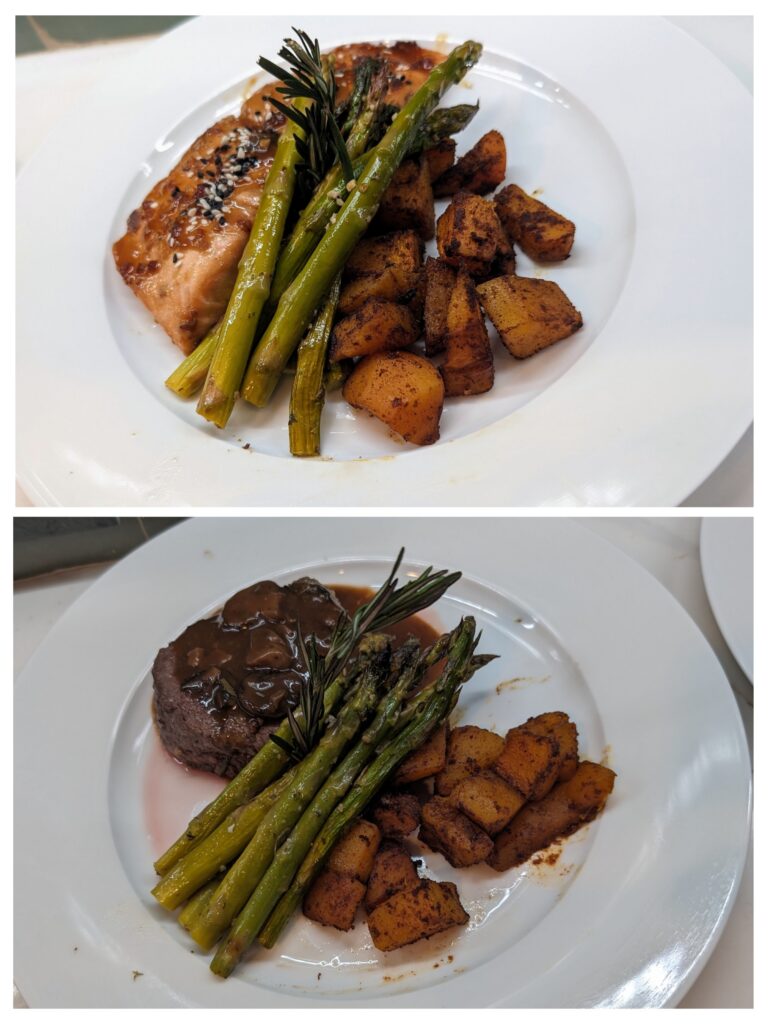
Chef Phil’s menu and food photography offer several starting points: filet mignon with vegetable accompaniments, carefully plated seafood, and distinctive chocolate desserts. Rather than copying a restaurant experience at home, use those ideas to create an evening with its own character. A few well-chosen details can make the celebration feel considered from beginning to end.
Begin by deciding how you want the evening to feel. Some couples enjoy a formal sequence of plated courses. Others would rather have a relaxed dinner with familiar flavors and a comfortable pace. Neither approach is inherently more romantic; the best choice depends on the people sharing the meal.
Consider whether this is a surprise and what the other guest would appreciate. A favorite dish can be more meaningful than a long list of impressive ingredients. Explain the occasion when you inquire, along with the location and any timing requirements. That context helps make the menu discussion more useful and keeps the evening centered on your relationship.
For guests who enjoy steak, filet mignon provides a clear starting point. Chef Phil’s published menu pairs it with a mushroom and pearl onion demi, asparagus, carrots, and cauliflower muffins. The presentation illustrates how a steak dinner can combine a rich centerpiece with color and variety.
Treat the listed preparation as inspiration and confirm the current version before booking. Discuss both guests’ preferences, including desired doneness and ingredients they would rather avoid. If one person prefers another protein, ask how the plates can remain coordinated. A romantic meal should feel equally welcoming to both people rather than built entirely around one person’s favorites.
Broiled lobster tail, king crab legs, and North Atlantic salmon appear on the menu, offering alternatives for a coastal celebration. Seafood may be the main focus or part of a smaller opening course, depending on the final plan.
Choose with the full dinner in mind. A dramatic shellfish presentation creates a different table experience from an individually plated fish course. Ask about portion style, accompaniments, and the practical details of serving the dish in your setting. Availability can change, so avoid building the whole occasion around an unconfirmed ingredient. Share a second choice that would still make the evening feel special if needed.
An opening course should introduce the meal without overwhelming it. A small shrimp appetizer, a salad, or a soup can each create a different beginning. Chef Phil’s menu includes shrimp with avocado over cucumber, French onion soup, and several salads.
If the main course is rich, a lighter first course may create a more comfortable balance. If you both love a particular flavor, explain that preference instead of choosing solely by how a dish sounds. Discuss how many courses you actually want and how much time you have. Two thoughtful courses and dessert can feel more satisfying than a lengthy menu that does not suit your evening.
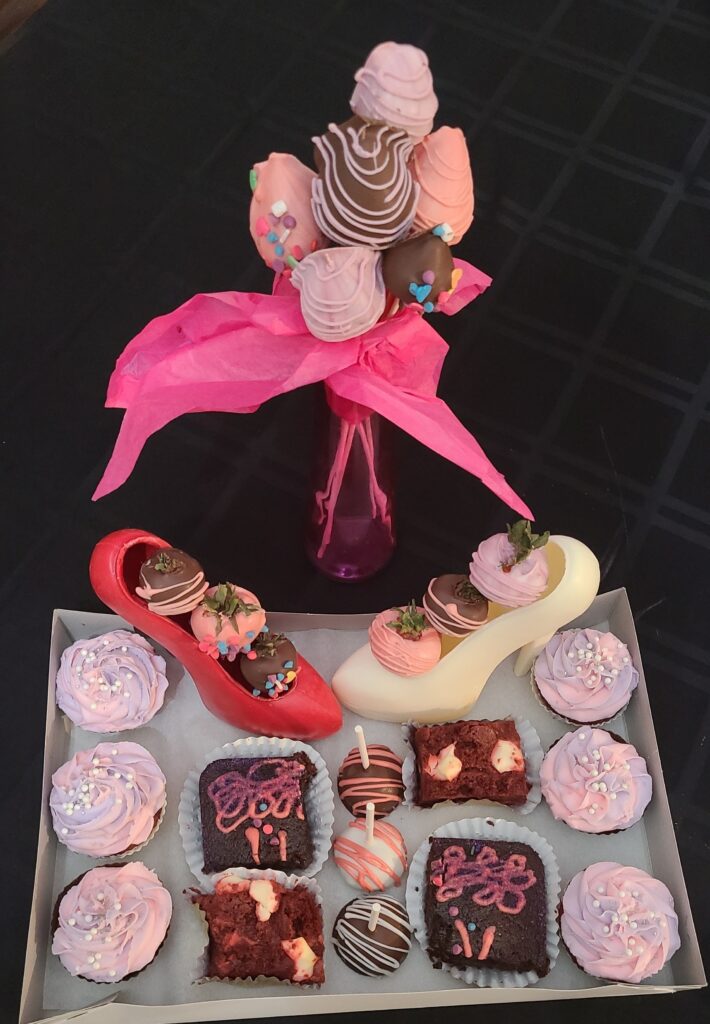
Chef Phil’s photographs include chocolate high heels and decorated dessert displays. These images show a playful approach to presentation and provide useful inspiration for a birthday, anniversary, or other personal occasion. They should begin a conversation about possibilities rather than serve as a guarantee of a particular custom design.
Ask what dessert options can be arranged for your date and whether any personalization is available. Explain preferences for chocolate, fruit, sweetness, and portion size. If the evening includes a gift or a toast, discuss its place in the sequence. A dessert moment works best when it feels connected to the dinner instead of added as an afterthought.
The table does not need to be crowded with decorations to feel special. Leave space for plates, glasses, and comfortable movement. Choose lighting that allows guests to appreciate the food and each other, and keep music at a level that supports easy conversation.
For a home dinner, share kitchen details and access instructions in advance. If you are planning an outdoor setting, discuss a suitable alternative in case conditions change. Ask which items the chef’s proposal includes and which belong to the host, including tableware and service pieces. Confirming these details helps prevent last-minute errands from taking attention away from the celebration.
Romantic surprises work best when the essential food information is already known. Ask about allergies and dietary requirements without relying on assumptions. Shellfish, dairy, wheat, nuts, and eggs can appear in sauces, appetizers, sides, or desserts as well as in obvious main ingredients.
Discuss those details with Chef Phil before selecting the final menu. Also share any firm arrival or departure time and whether the dinner must remain a surprise. If another person is helping coordinate the occasion, establish who will handle final questions. A clear plan protects the relaxed feeling you want to create and gives both guests room to enjoy the meal.
A memorable romantic dinner feels personal because its choices make sense together: the food, the pace, the setting, and the reason for gathering. Start with one or two favorite dishes from Chef Phil’s collection and build outward from there.
Visit the menu and gallery for inspiration, then contact A Family Cooking with your preferred date, South Florida location, and ideas for the evening. Ask for a proposal that explains the menu, service arrangements, and pricing before you confirm. Whether you choose steak, seafood, or another direction, the most meaningful result is a dinner that gives you time to celebrate together and makes the occasion feel distinctly yours.
Favorite flavors make an especially useful starting point.