March 1, 2026 · A Family Cooking · South Florida
A yacht creates an exceptional setting for sharing a meal, but successful dining on board begins with practical planning. The size of the galley, the guest list, the itinerary, and the available dining space all influence what will work well. A private chef menu should complement the experience rather than compete with it.
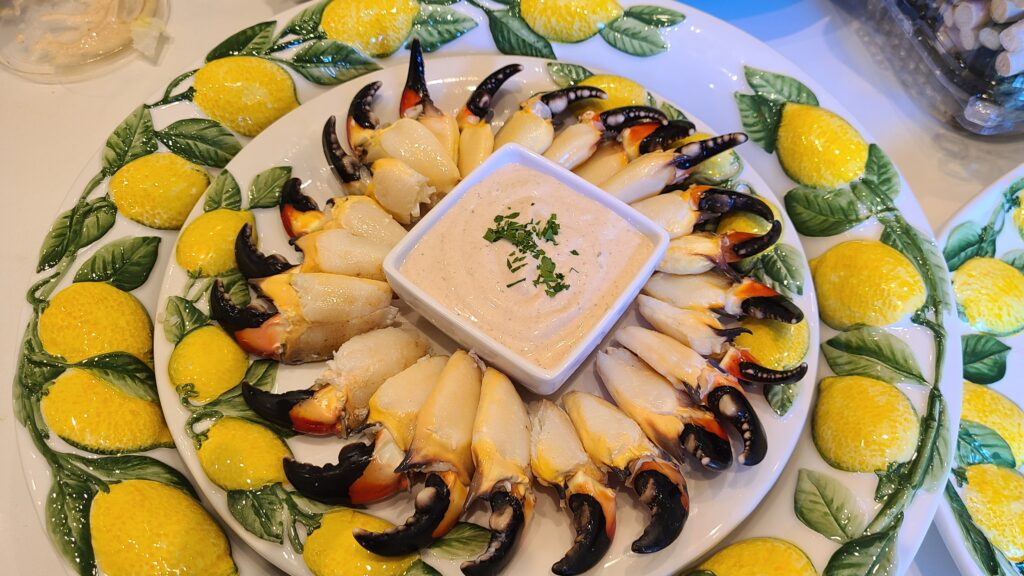
Chef Phil’s work includes yacht settings, and A Family Cooking’s seafood photographs offer inspiration for a coastal gathering. King crab, lobster, salmon, and shrimp dishes suggest several directions. The right choice depends on the details of your particular event. Before selecting a menu, bring the chef and the vessel’s point of contact into the same planning conversation.
Explain whether the meal is planned while docked or during an outing. Share the expected boarding time, meal time, guest count, and any scheduled activities. The person organizing the food should also know how boarding, provisioning, and access are handled for that vessel.
A yacht’s galley should never be treated as interchangeable with a residential kitchen. Provide details about equipment and space, ideally with photographs if requested. Confirm who can approve the service arrangements and whether any vessel rules affect the plan. Those answers establish the framework for the menu and help avoid selecting dishes that do not suit the setting.
Chef Phil’s menu includes Alaskan king crab legs, broiled Caribbean lobster tail, and herb-crusted North Atlantic salmon. Each can inspire a different kind of dining experience, from a celebratory seafood focus to a composed individual plate.
Consider how guests will be seated and how much room is available for serving. A shellfish centerpiece may require different utensils and table space than a plated fish dish. Ask which preparations are appropriate for the planned service, and confirm ingredient availability before making promises to guests. The most impressive menu is one that feels comfortable to enjoy in the actual space where it will be served.
An appetizer can welcome guests, bridge the time before a seated meal, or become part of a more casual reception. Decide which role it needs to play before selecting a long list of small bites. This helps keep the opening portion of the event organized.
Shrimp with avocado over cucumber, tomato and mozzarella skewers, and cucumber cups are examples from Chef Phil’s menu that can inform the discussion. Ask how suitable choices would be presented and served on board. Food photographs help communicate a visual direction, but the final format should reflect the vessel, the schedule, and the needs of the group.
Not every guest at a yacht gathering wants the same food. Some may prefer steak or chicken, while others want seafood or vegetable-focused choices. Collect these preferences early enough to plan coordinated alternatives.
The menu also includes grilled chicken skewers, several salads, and zucchini noodles, providing ideas beyond a seafood-only experience. Ask how a few carefully selected options can cover the group without creating an unnecessarily complicated service. A smaller, well-considered menu often feels more cohesive than many unrelated dishes. Confirm dietary requirements separately from general likes and dislikes so important restrictions are not lost in a list of preferences.

The meal should have a place in the day’s overall schedule. If guests are arriving at different times, explain that before choosing a plated format. If everyone will gather for a formal dinner, allow room for seating and conversation rather than treating the meal as an interruption between activities.
Share any firm departure or return time with Chef Phil and the vessel’s representative. Ask which parts of the proposed menu depend on a particular service window. Discuss a practical alternative if the itinerary changes. Clear coordination allows the dining experience to feel relaxed while still respecting the realities of the outing.
A yacht event can involve several parties, including the host, chef, vessel staff, and an event coordinator. Identify who is responsible for each essential detail. Ask about staffing, tableware, serving pieces, preparation arrangements, access, and the agreed scope of cleanup.
Do not assume that a private chef booking automatically includes every item needed for onboard entertaining. Confirm costs and responsibilities in writing before the event. If your gathering includes beverages, decorations, or another vendor, explain how those arrangements connect with the meal. One clear plan helps everyone understand the boundaries of their role and reduces avoidable questions on the day.
Dietary restrictions remain important even when the setting is spectacular. Ask each guest directly about allergies or other requirements, and share the information with the chef before finalizing the menu. Seafood dishes, sauces, salads, and desserts may contain ingredients that are not obvious from a photograph.
Discuss any relevant preparation limitations and do not assume that a separate menu choice means an allergen-free environment. Also consider simple comfort details, such as whether the planned meal will be easy for the group to enjoy in the chosen seating arrangement. A polished experience pays attention to people as carefully as it does to presentation.
For a private chef yacht experience in South Florida, start with the real details: vessel location, event date, guest count, access, and the intended rhythm of the day. Then use Chef Phil’s menu and gallery to describe the food and presentation you would like to explore.
Contact A Family Cooking to discuss a proposal tailored to your setting. Confirm the menu, service scope, availability, and pricing before coordinating the remaining event details. Whether the meal features seafood, a mixed selection of proteins, or a more casual lunch, thoughtful planning helps make dining on board a memorable part of the gathering rather than a logistical distraction.
A concise written event brief also helps the host, chef, and vessel representative stay aligned as the date approaches and final guest details change unexpectedly.